Have you ever needed to reset your Oracle RMAN configuration back to its defaults? Maybe you inherited a database with a complex backup setup or made changes that didn’t work as expected. Resetting RMAN configuration can help you start fresh and avoid confusion. There are two main ways: clearing all settings or targeting specific parameters. In this article, we’ll walk through what RMAN configuration is, why you might want to reset it, important considerations before making changes, how to perform resets step by step—and how enterprise tools can simplify management.
What Is Oracle RMAN Configuration?
Oracle Recovery Manager (RMAN) is the built-in tool for backing up and restoring Oracle databases. It uses persistent configuration parameters that control backup behavior across sessions. These include retention policy (how long backups are kept), backup optimization (to skip unnecessary files), default device type (disk or tape), control file autobackup settings, channel configurations for parallelism or device assignment, maximum set size limits, snapshot control file location, and more.
You can view all current settings by running SHOW ALL at the RMAN prompt. If you do not change anything after installation, RMAN uses sensible defaults designed for general use cases. However, most environments need customizations—so DBAs often override these defaults as their needs evolve.
Why Reset Oracle RMAN Configuration?
Over time, an RMAN configuration may become cluttered with outdated or conflicting settings. This often happens when different administrators manage backups over several years or when testing new strategies leaves behind unused parameters. Sometimes you need to standardize policies across multiple databases in your organization.
Resetting configuration returns parameters to their default values so you can start over cleanly or ensure consistency between systems. It also helps troubleshoot issues—if backups fail due to misconfiguration or if inherited setups cause confusion during audits.
Before resetting any parameter—especially if considering a full reset—it’s wise to document your current state using SHOW ALL and saving the output somewhere safe. This record helps restore previous settings if needed later on.
How to Reset All RMAN Settings?
Resetting all RMAN configuration parameters means returning every setting back to its factory default value. There is no single command that does this; instead, each parameter must be cleared individually using CONFIGURE ... CLEAR commands.
First things first: always connect safely by opening an RMAN session as follows:
rman target /
Next comes the actual reset process. For each parameter you wish to clear—such as retention policy or channel assignments—run its corresponding clear command:
CONFIGURE RETENTION POLICY CLEAR;
CONFIGURE BACKUP OPTIMIZATION CLEAR;
CONFIGURE DEFAULT DEVICE TYPE CLEAR;
CONFIGURE CONTROLFILE AUTOBACKUP CLEAR;
CONFIGURE CONTROLFILE AUTOBACKUP FORMAT FOR DEVICE TYPE DISK CLEAR;
CONFIGURE DEVICE TYPE DISK CLEAR;
CONFIGURE DATAFILE BACKUP COPIES FOR DEVICE TYPE DISK CLEAR;
CONFIGURE ARCHIVELOG BACKUP COPIES FOR DEVICE TYPE DISK CLEAR;
CONFIGURE CHANNEL DEVICE TYPE DISK CLEAR;
CONFIGURE MAXSETSIZE CLEAR;
CONFIGURE SNAPSHOT CONTROLFILE NAME CLEAR;
This list covers most commonly customized options but may vary depending on your Oracle version or environment specifics—for example if additional channels were configured for tape devices.
It’s best practice to execute these commands in a script during scheduled maintenance after thorough testing in a non-production environment. That way there are no surprises during business hours.
How to Reset Specific RMAN Parameters?
Often you only need to undo one change rather than wipe everything clean—for instance when troubleshooting slow performance caused by excessive parallelism or reverting an experimental archivelog deletion rule gone wrong.
Here’s how targeted resets work:
First connect via:
rman target /
Then issue a clear command tailored for just one setting—for example if rolling back archivelog deletion policy run:
CONFIGURE ARCHIVELOG DELETION POLICY CLEAR;
Or maybe you want control file autobackup format returned to normal:
CONFIGURE CONTROLFILE AUTOBACKUP FORMAT FOR DEVICE TYPE DISK CLEAR;
A common scenario involves tuning parallelism then deciding it’s unnecessary—you’d clear then optionally reconfigure like this:
CONFIGURE DEVICE TYPE DISK PARALLELISM CLEAR
-- Then set again if desired:
CONFIGURE DEVICE TYPE DISK PARALLELISM 2
Always verify results afterward using SHOW ALL; look for lines marked with # default, confirming successful rollback without disturbing unrelated parts of your setup.
This approach lets experienced admins fine-tune environments safely without risking broader disruptions—a key skill when managing production workloads under tight SLAs!
While manual command-line management gives granular control over individual databases it can get complex fast across large fleets—which brings us naturally toward centralized solutions…
Enterprise Database Backup Made Simple With Vinchin Backup & Recovery
For organizations seeking streamlined management of Oracle database protection alongside other major platforms such as MySQL, SQL Server, MariaDB, PostgreSQL, PostgresPro, and TiDB, Vinchin Backup & Recovery stands out as an enterprise-level solution designed specifically for modern IT environments. Supporting advanced features including batch database backup scheduling, incremental backup capabilities (for Oracle), flexible data retention policies including GFS retention strategy, cloud/tape archiving integration with tape archiving options, and robust storage protection against ransomware threats—Vinchin Backup & Recovery delivers comprehensive coverage while simplifying daily operations through automation and intelligent monitoring tools.
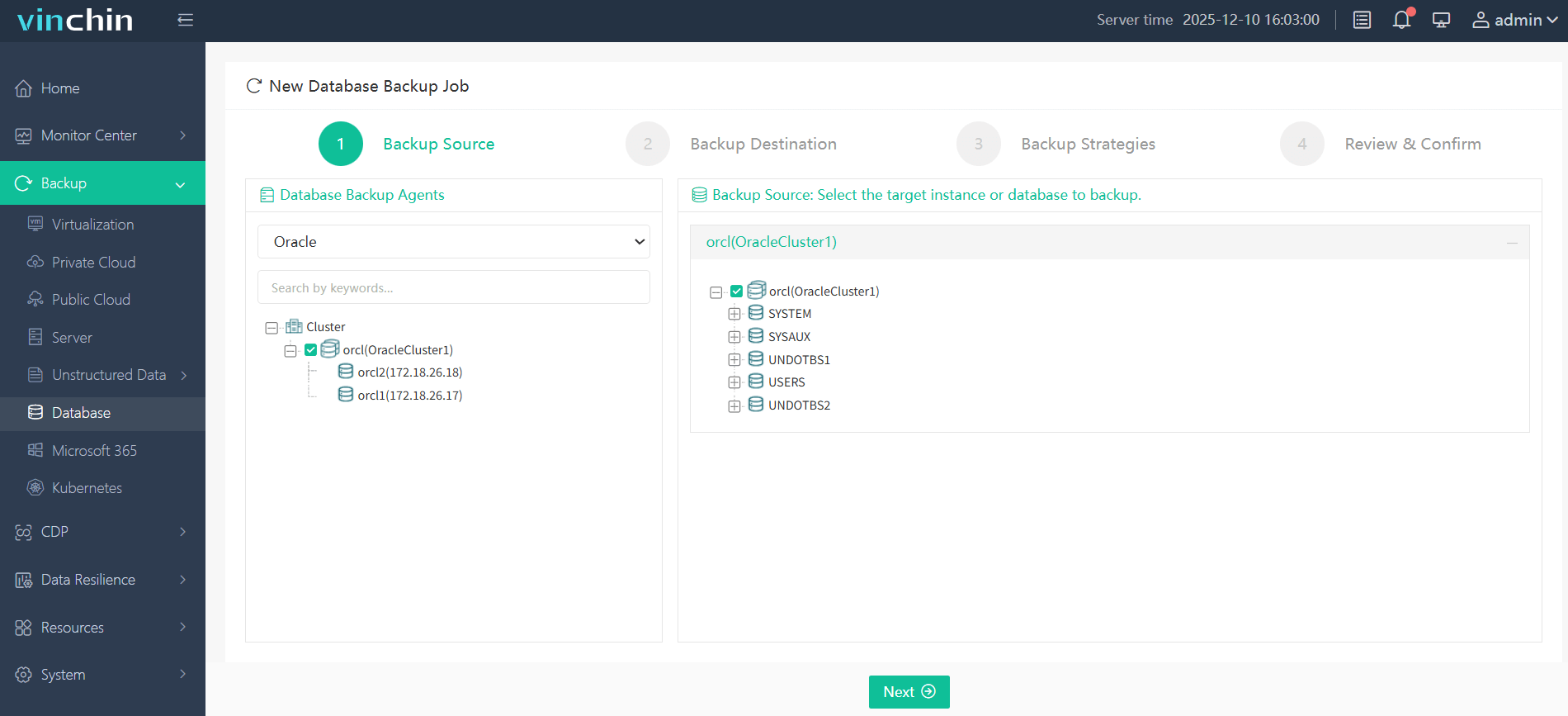
The intuitive web console makes safeguarding Oracle databases straightforward even at scale:
Step 1. Select the Oracle database to back up
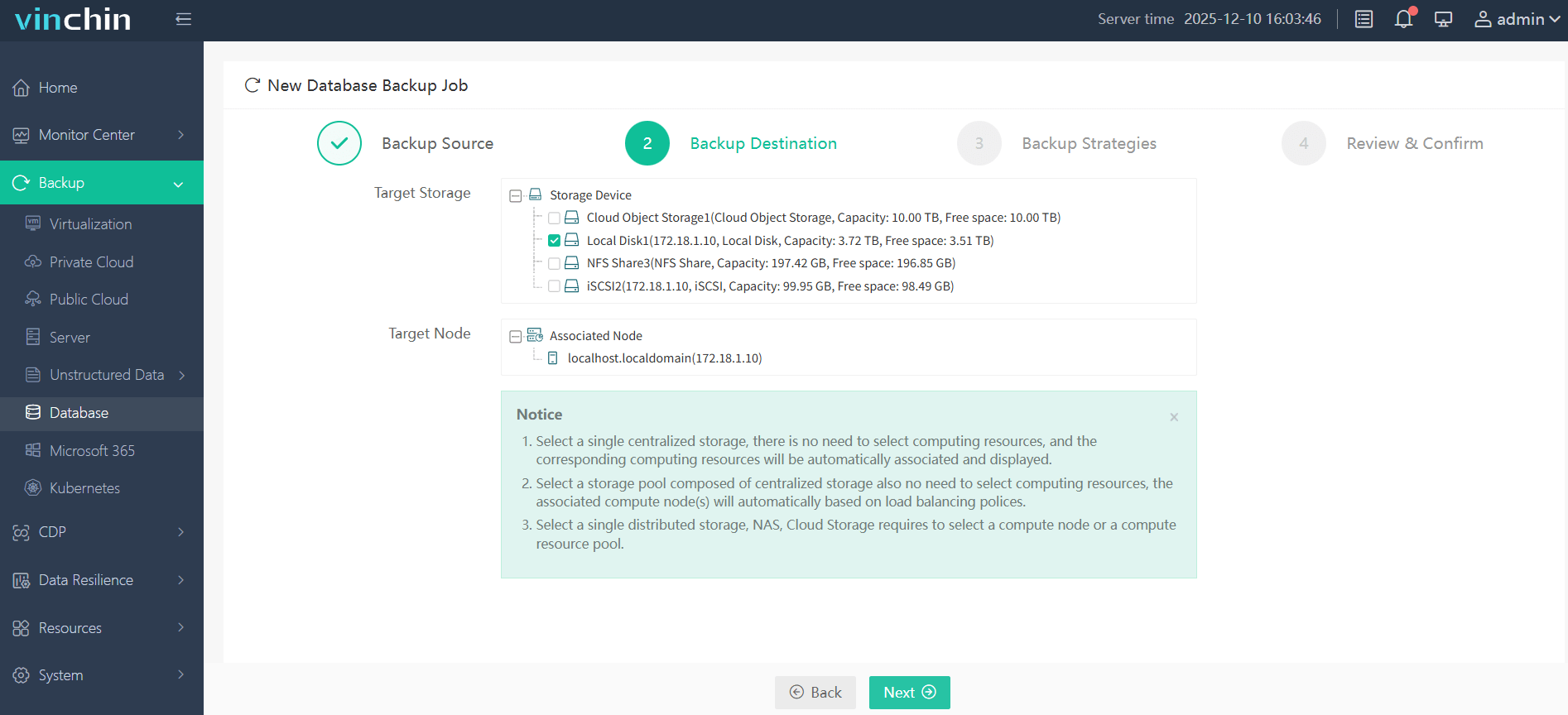
Step 2. Choose the backup storage
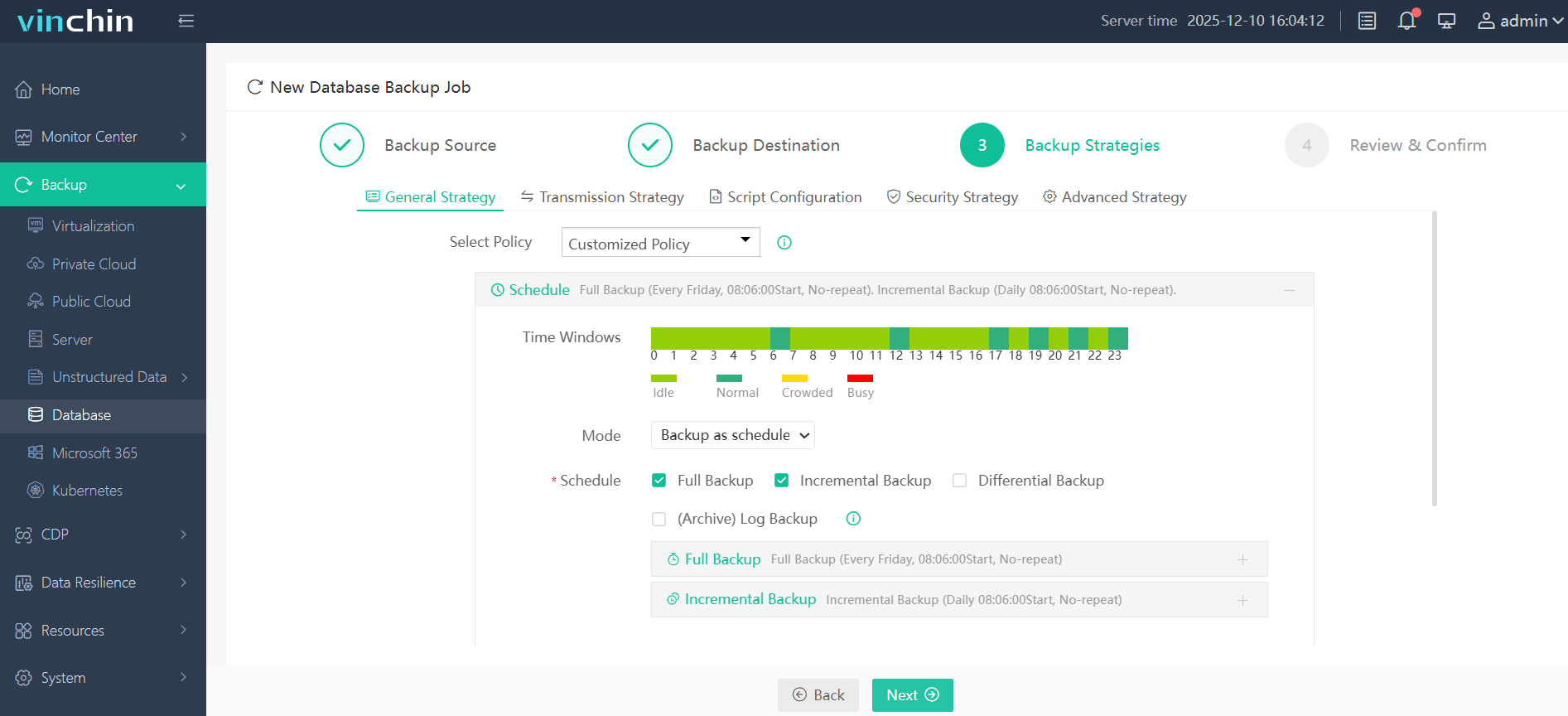
Step 3. Define the backup strategy
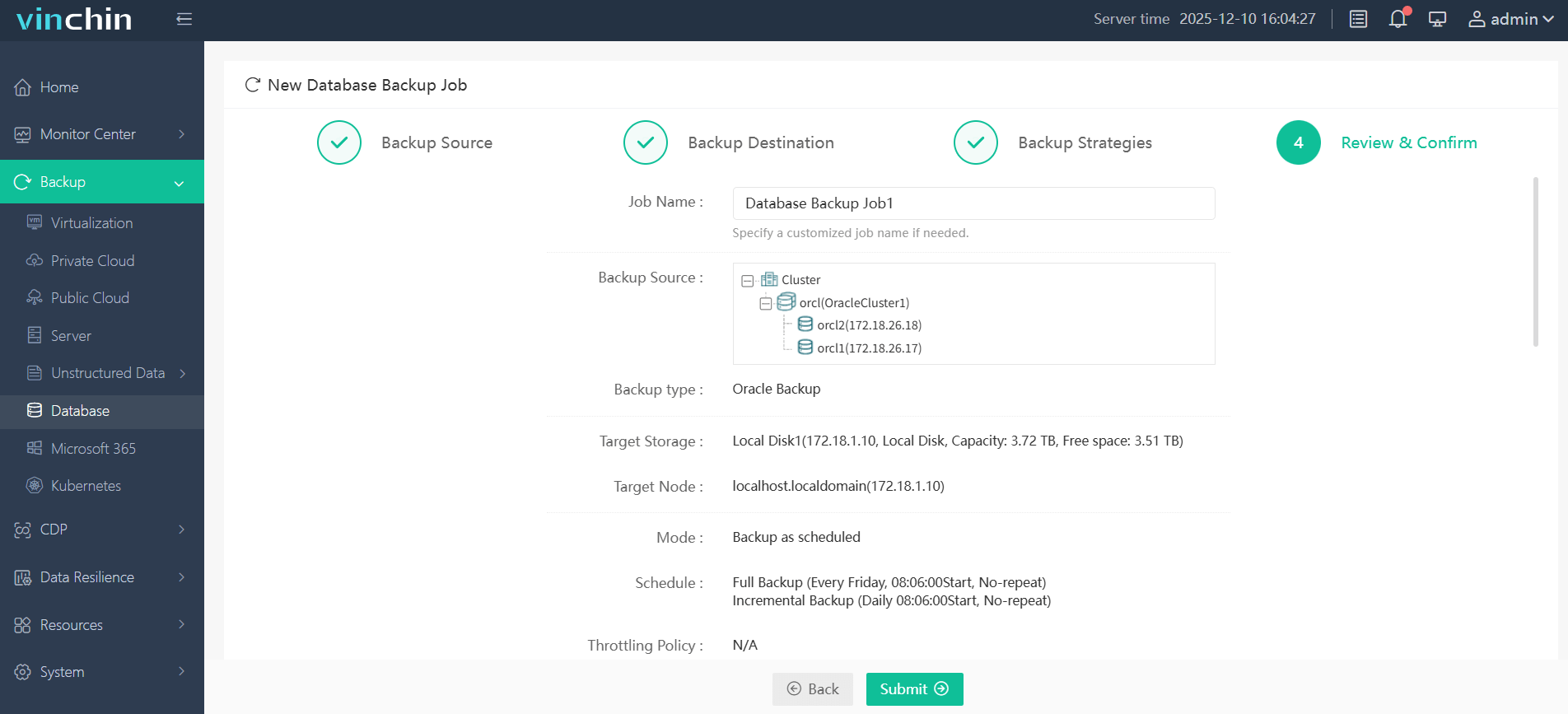
Step 4. Submit the job
Recognized globally with top ratings from thousands of enterprises worldwide, Vinchin Backup & Recovery offers a fully featured free trial for 60 days—click below to experience industry-leading data protection firsthand!
Oracle RMAN Reset Configuration FAQs
Q1: Can I reset all RMAN configuration parameters with one command?
No; each parameter must be cleared individually using CONFIGURE ... CLEAR commands in sequence.
Q2: How do I check which RMAN parameters differ from defaults?
Run SHOW ALL in an active RMAN session; non-defaults lack # default at line end indicating customization exists there.
Q3: What happens if I clear something already set at its default?
RMAN confirms action succeeded but nothing else changes—it remains at built-in baseline value safely without side effects.
Conclusion
Resetting Oracle RMAN configuration keeps your backup environment clean reliable auditable whether clearing all settings starting fresh—or tweaking just one troublesome option at a time! Vinchin makes managing enterprise-scale database protection even easier—try it free today see why organizations everywhere trust our solution!