Keeping your Oracle backup metadata in sync is vital for reliable recovery. The RMAN recovery catalog stores this metadata, but it can fall out of sync with your databases over time or after changes. In this article, we explore what “rman sync catalog” means, why it matters so much, and how to perform both manual and automated synchronization safely. Whether you’re just starting with Oracle or have years of DBA experience, you’ll find clear steps that build from basics to advanced tips.
What Is RMAN Sync Catalog?
The RMAN sync catalog process updates the recovery catalog with the latest metadata from your Oracle database’s control file. This ensures that backup, restore, and recovery operations always use accurate information about your data protection state.
RMAN (Recovery Manager) uses the RESYNC CATALOG command to compare the recovery catalog with the current control file and update any missing or changed records. This process is essential when the recovery catalog has been unavailable for a while or after structural changes such as adding tablespaces or datafiles.
It’s important to know that there are two types of resyncs:
Full resync: The RESYNC CATALOG command performs a full comparison between all relevant metadata in the control file and what’s stored in the catalog.
Partial (automatic) resync: Some RMAN operations automatically update only certain pieces of metadata during backups or restores.
A full resync ensures nothing is missed—especially after major changes or outages.
Why Use RMAN Sync Catalog?
Regularly syncing the RMAN catalog is crucial for several reasons. First, it keeps all backup and recovery metadata up to date—a must-have for disaster recovery planning. Second, if you make changes to database structure—like adding a new tablespace or datafile—the catalog must reflect these updates so future backups include them correctly.
For example: If you add a new datafile to an existing tablespace but don’t run RESYNC CATALOG, later restores might miss this file entirely because its existence isn’t recorded in the central repository.
Third, in environments using Data Guard with primary and standby databases, syncing ensures both systems are tracked accurately by RMAN jobs across sites. Without regular synchronization, you risk incomplete backup records—and failed restores when they matter most.
Method 1. Manual RMAN Sync Catalog
Manual synchronization gives you direct control over when and how your recovery catalog gets updated. This method is useful right after big changes—such as database upgrades—or if your catalog was offline due to maintenance.
To perform a manual sync:
1. Connect RMAN to both your target database (using OS authentication via /) and your recovery catalog (using TNS alias). For example:
rman target / catalog rman_user/password@catalog_db
2. Once connected successfully (test connections before proceeding), run:
RESYNC CATALOG;
This command updates all new metadata from the control file into your central repository.
3. In Data Guard environments where multiple databases are registered under different unique names:
RESYNC CATALOG FROM DB_UNIQUE_NAME ALL;
Before running these commands:
Make sure both target and catalog databases are accessible.
Confirm network connectivity using tools like tnsping.
Check credentials carefully; failed logins will block progress.
If you have multiple databases registered in one catalog instance:
LIST DB_UNIQUE_NAME OF DATABASE;
This helps confirm which systems are tracked centrally before making changes.
After running RESYNC CATALOG, look for messages like “full resync complete.” Any errors should be reviewed immediately before moving forward with further backup tasks.
Method 2. Automated RMAN Catalog Synchronization
Automating synchronization reduces human error risk—and keeps catalogs current even during busy periods or holidays when manual checks might slip through cracks.
Most administrators schedule regular syncs using shell scripts combined with cron jobs on Linux/Unix systems (or Task Scheduler on Windows).
Here’s how you can automate safely:
1. Create a shell script that connects securely to both target database (with OS authentication) and recovery catalog.
2. Avoid storing passwords directly inside scripts! Instead:
Use Oracle Wallet (mkstore) so credentials aren’t exposed on disk.
Or set environment variables at runtime so sensitive info isn’t hardcoded.
At minimum: restrict script permissions (chmod 700).
3. Example script using OS authentication (after wallet setup):
    #!/bin/bash
    # Best Practice: Use Oracle Wallet; never hardcode passwords!
    rman target / catalog rman_user@catalog_db <<EOF
    RESYNC CATALOG;
    EXIT
    EOF
4. Make script executable:
chmod 700 rman_sync.sh
5. Schedule it via cron—for example every night at 2 AM:
0 2 * * * /path/to/rman_sync.sh
In Data Guard setups where multiple unique names exist:
rman target / catalog rman_user@catalog_db <<EOF
RESYNC CATALOG FROM DB_UNIQUE_NAME ALL;
EXIT
EOF
Automated syncs are especially important if your environment generates lots of archived logs or frequent schema changes—regular automation ensures no gap develops between actual backups taken versus those recorded centrally by RMAN jobs.
How to Protect Oracle Databases With Vinchin Backup & Recovery
Beyond traditional methods like regular RMAN synchronization, organizations often require more robust enterprise-level protection for their critical databases—including Oracle environments discussed here—as well as MySQL, SQL Server, MariaDB, PostgreSQL, PostgresPro, and TiDB platforms supported by Vinchin Backup & Recovery. For Oracle users specifically, Vinchin Backup & Recovery delivers incremental backup capabilities alongside batch database backup management, flexible data retention policy including GFS retention options, cloud/tape archiving integration, and any-point-in-time recovery—all designed for streamlined automation and enhanced security posture while minimizing administrative overhead through centralized scheduling and verification workflows.
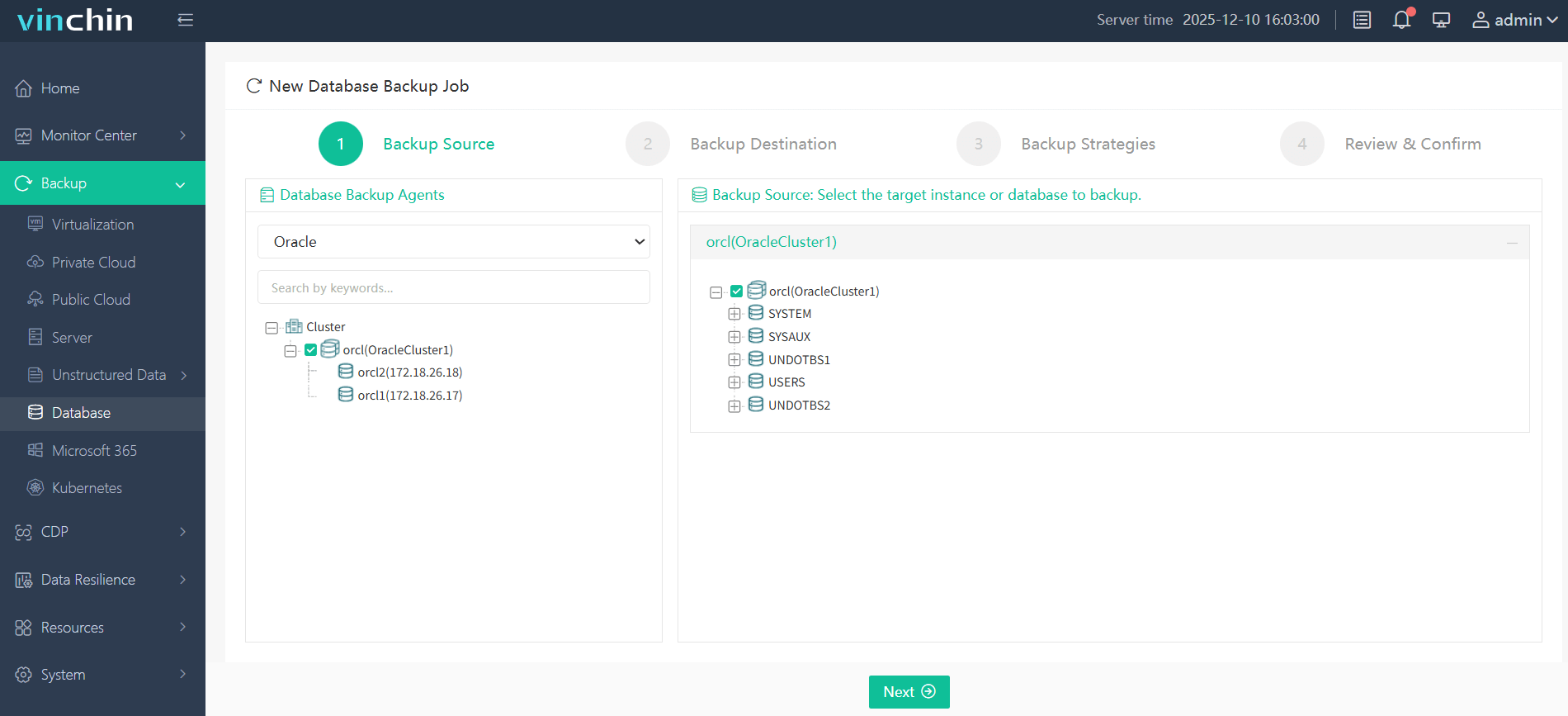
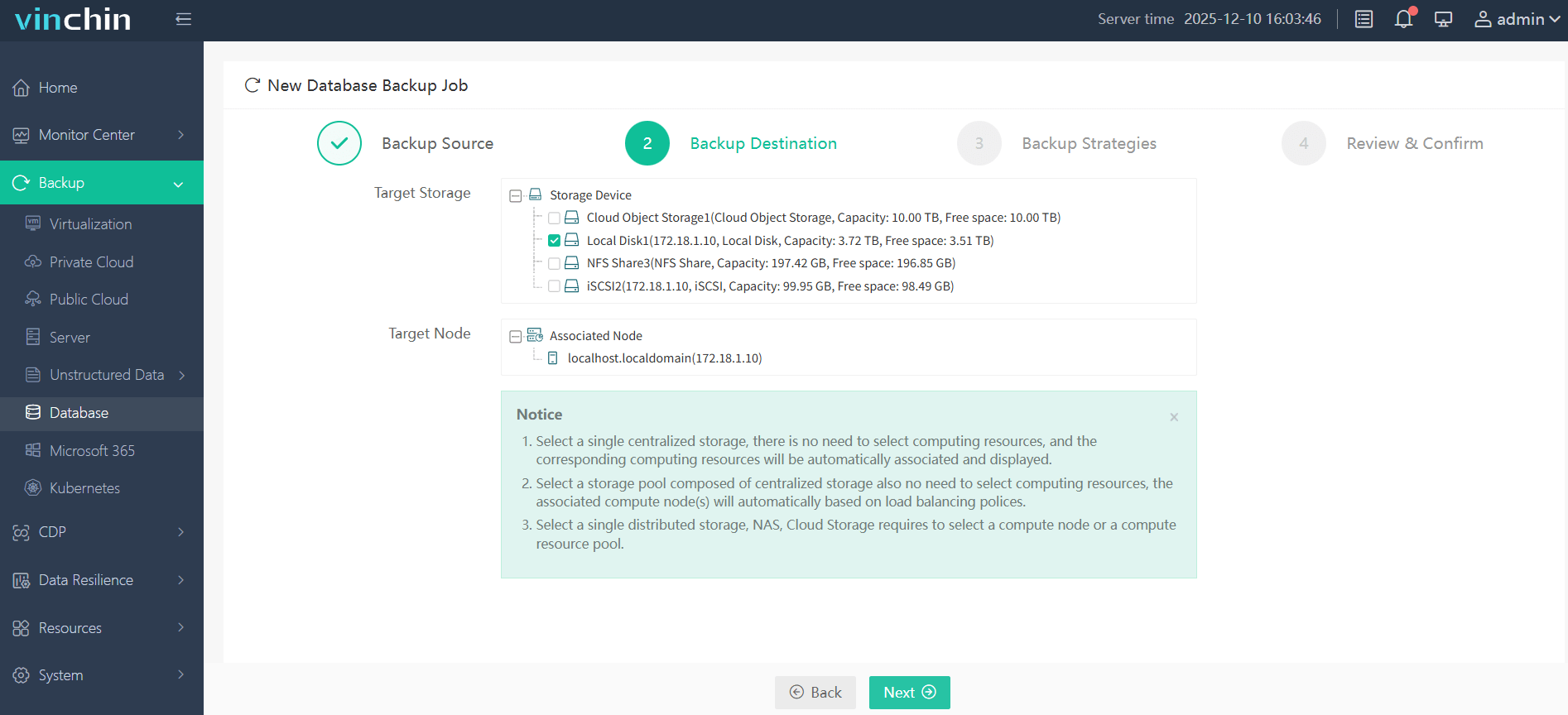
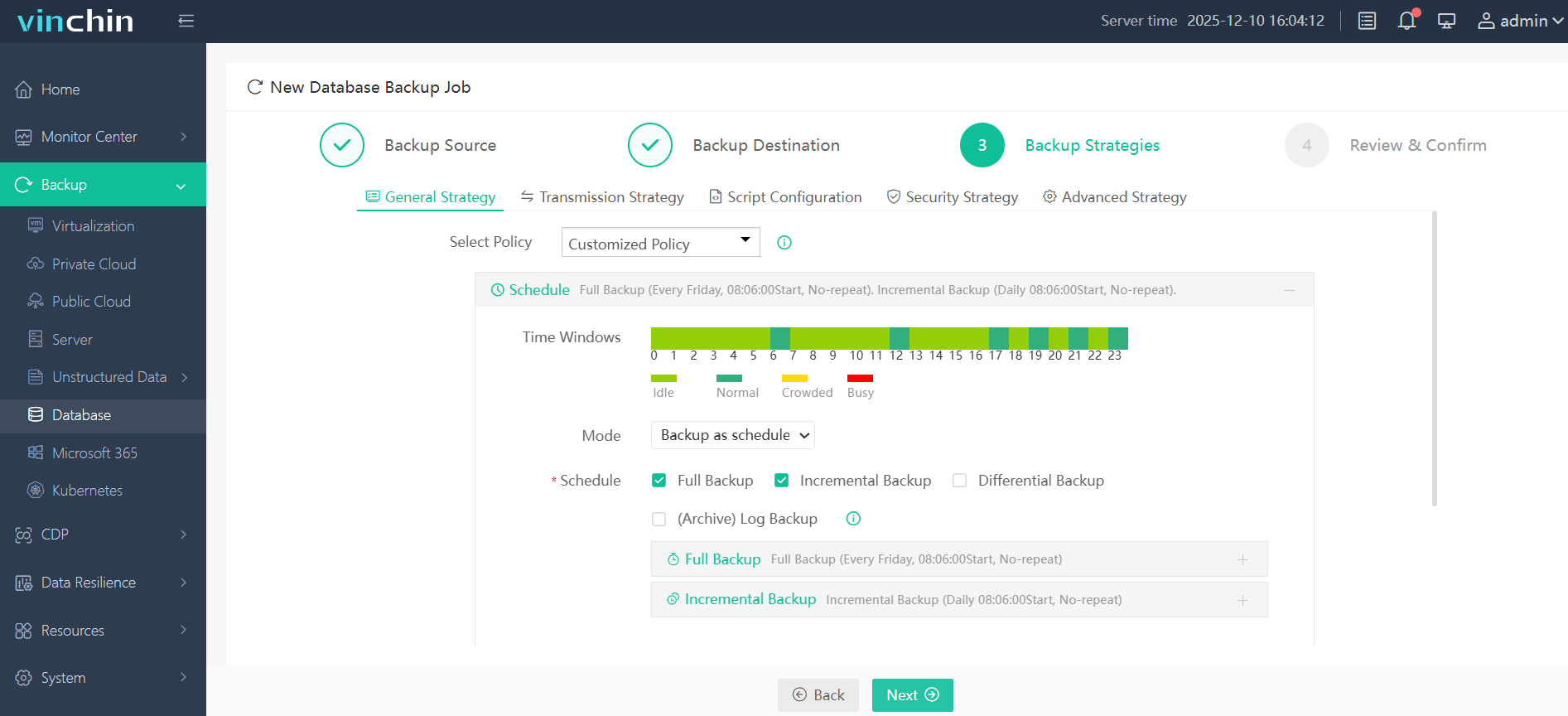
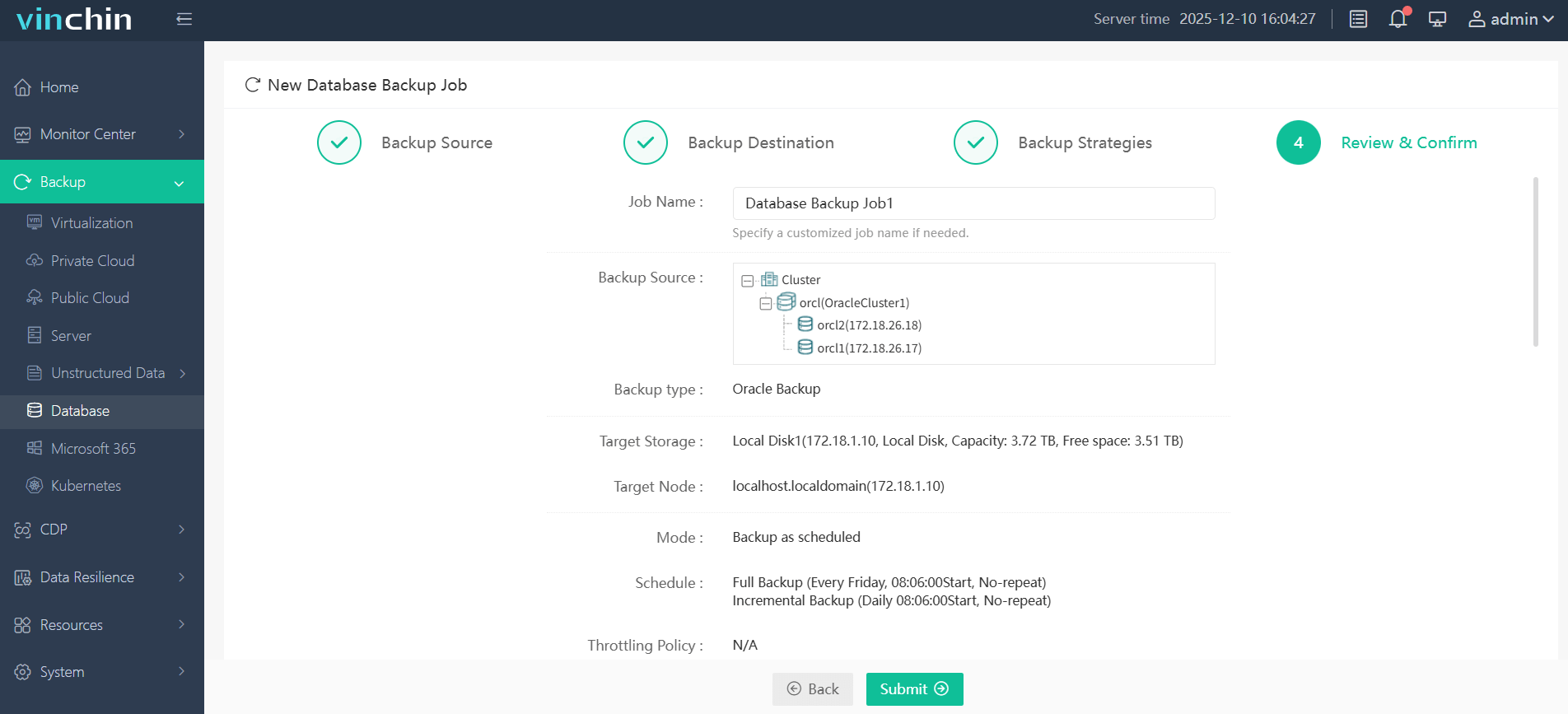
With its intuitive web console interface backing up an Oracle database takes just four steps:
Step 1. Select the Oracle database to back up
Step 2. Choose backup storage
Step 3. Define your backup strategy
Step 4. Submit the job
Vinchin Backup & Recovery enjoys global recognition among enterprise customers thanks to proven reliability and ease-of-use—start protecting your environment today with their fully featured free trial available now via download above!
rman sync catalog FAQs
Q1: How often should I run RMAN sync catalog in high-change environments?
A1: Run it daily—or more often if frequent log switches occur—to avoid losing track of recent activity between scheduled runs.
Q2: Can I recover my entire environment if my control file was recently recreated?
A2: Yes—but first re-catalog all available physical backups into local storage before running another full resync operation against central repository copy.
Q3: Does RESYNC CATALOG impact production performance?
A3: No—it mainly reads small amounts of metadata from live systems without affecting normal transactional workloads noticeably at all times except rare edge cases involving massive catalogs (>10k objects).
Conclusion
Keeping your RMAN recovery catalog synchronized protects against incomplete restores—and builds confidence in disaster readiness plans.Manual plus automated methods work together best.Vinchin makes protecting complex Oracle deployments even simpler.Try their free trial now—you’ll see immediate benefits firsthand!