In the virtualization environment, VMware vCenter Converter (VMware Converter) is a free tool that allows users to convert physical machines and virtual machines into VMware-based virtual machines. It supports both Physical-to-Virtual (P2V) and Virtual-to-Virtual (V2V) conversions, making it a key utility for system migration and consolidation.
In enterprise IT environments, VMware Converter is widely used to simplify migration tasks, reduce downtime, and ensure compatibility across different systems and platforms. This post will introduce how to perform P2V and V2V migratin with VMware Converter and an easy alternative solution: Vinchin Backup & Recovery.
What Is VMware Converter?
VMware Converter, also known as VMware vCenter Converter, is a free utility provided by VMware that enables the conversion of physical machines into virtual machines running on VMware platforms. This process is commonly referred to as P2V (Physical-to-Virtual) conversion.
It also supports V2V (Virtual-to-Virtual) conversion, allowing users to migrate virtual machines from third-party platforms such as Hyper-V or VirtualBox into VMware-compatible formats.
VMware Converter is available in standalone versions and is commonly used in both small IT environments and enterprise migration projects. Depending on the use case, licensing and support may vary in enterprise deployments.
Features of VMware Converter
Here are some key features and uses of VMware Converter:
P2V Conversion: It converts a physical machine into a set of virtual machine files compatible with VMware virtualization products. This can include the operating system, applications, and data from the physical machine.
V2V Conversion: VMware Converter can also convert VMs from other vendors’ formats to VMware’s format. For example, it can convert VMs from Microsoft Hyper-V, VirtualBox, or older VMware formats to the latest VMware virtual machine format.
Hot/Cold Cloning: It can perform hot cloning, where the source machine is cloned while it is still powered on and operational, minimizing downtime. Cold cloning requires the source machine to be powered off before the cloning process begins.
Volume Resizing: During the conversion process, you can resize the volumes of the virtual machine, which allows you to adjust the virtual disk capacity according to your needs.
Customization: VMware Converter allows you to modify various settings of the virtual machine during the conversion process, such as network configuration, disk controller type, and more.
Incremental Conversion: It supports incremental conversions for minimizing the synchronization time of the changes made to the source machine between multiple conversions.
How to Perform P2V/V2V Conversion with VMware Converter?
Download VMware Converter from VMware, install it on a machine and follow the steps below to convert a physical or virtual machine.
Step1. Launch VMware Converter:
Open VMware Converter and select “Convert machine” to start the conversion process.
Step2. Select the Source Machine:
If the source machine is a physical one, choose “Powered-on machine” and enter the source machine’s IP address, type of operating system, username (usually root or administrator), and password.
If the source machine is a virtual machine, select the appropriate option (such as VMware Infrastructure virtual machine) and enter the path to the virtual machine files or connect to a VC/ESXi server.
For Linux source machines, make sure they are not booted with the Xen kernel.
For Windows source machines, ensure there are no custom volume names on the disks (this can be checked in Disk Management).
Step3. Confirm the Source Machine:
If the source machine is Windows, a confirmation window may pop up; usually, the default values can be kept.
Step4. Enter Destination Information:
Fill in the IP address, administrator username, and password for the target VMware vCenter or ESXi server.
Step5. Configure the Destination Virtual Machine:
Enter a name for the destination virtual machine, select a data center and folder.
Choose the hosting ESXi host and the storage datastore.
Step6. Customize the Destination Virtual Machine:
Adjust the disk size, CPU, memory, and network adapters for the destination virtual machine as needed.
If the source machine is Linux, you might need to configure the network information (IP, mask, gateway, DNS) for the temporary helper virtual machine to ensure proper communication during the conversion.
Step7. Start the Conversion:
After all settings are complete, click “Finish” to begin the conversion process. And the duration of the conversion depends on the disk size, network speed, and system performance.
Powerful P2V & V2V Converter: Vinchin Backup & Recovery
Multi-hypervisor environment is becoming more and more popular. Different virtualization platforms, like VMware vSphere, XenServer, XCP-ng, etc., coexist in the same IT environment and let users utilize all their advantages. To help applications work in the most suitable environment and fully utilize the hardware resources, a powerful converter is needed.
Vinchin Backup & Recovery has self-developed Virtual Machine Convert Engine (VMCE) which supports P2V and V2V migration, cross-platform recovery, and VM management. Physical servers can be converted into virtual machines without reinstalling the OS, simplifying legacy infrastructure modernization.
For V2V migration, users can deploy an agentless architecture to rapidly backup and restore critical data from source VMs. And Vinchin supports over 15 virtualization platforms, including Proxmox, VMware, Hyper-V, Xenserver, Openstack, and more.
Besides, data encryption and anti-ransomware protection offer you dual insurance to protect your VM backups.
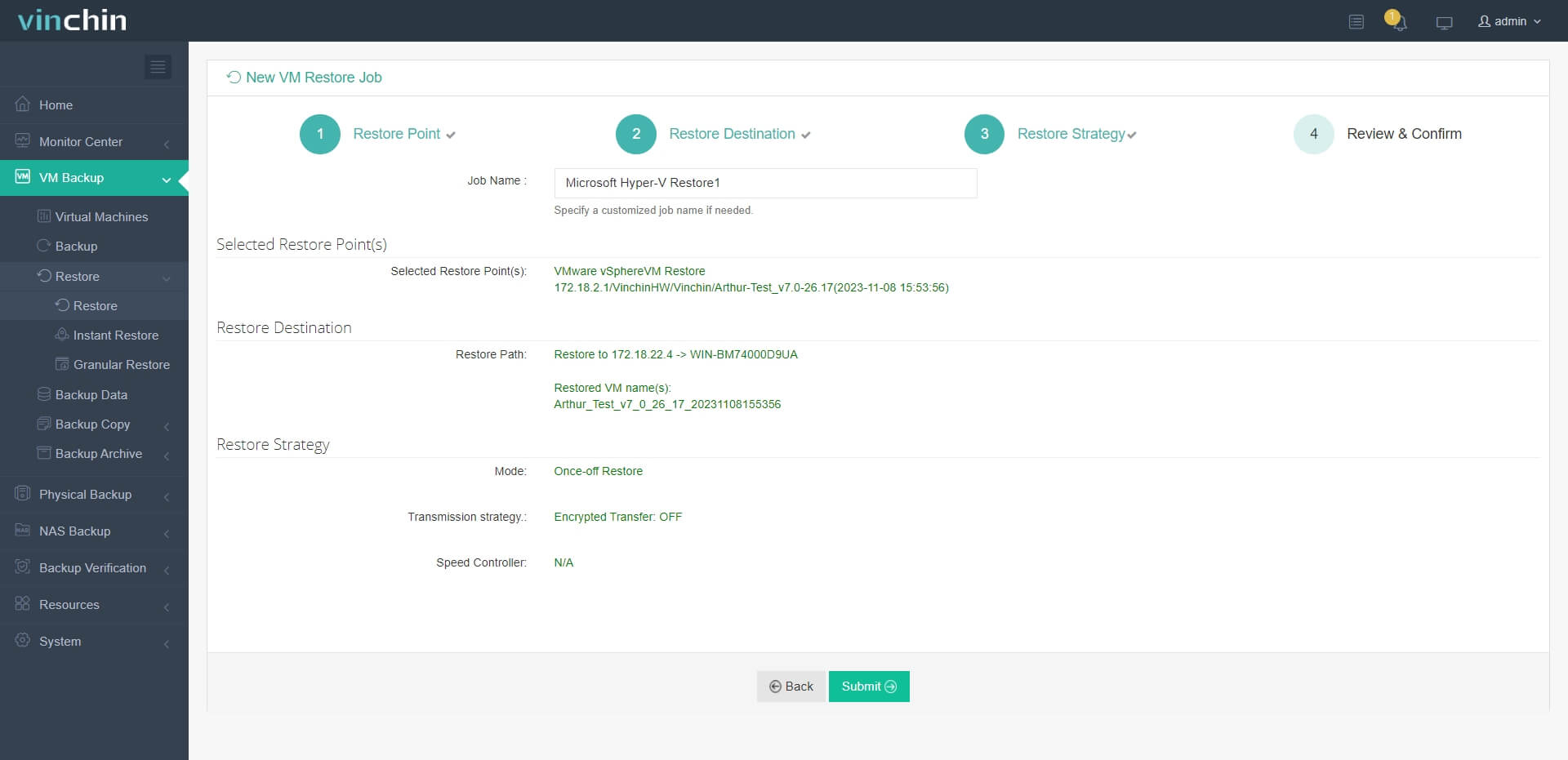
Before the migration, it's required to create a backup first and then follow the restoration guide:
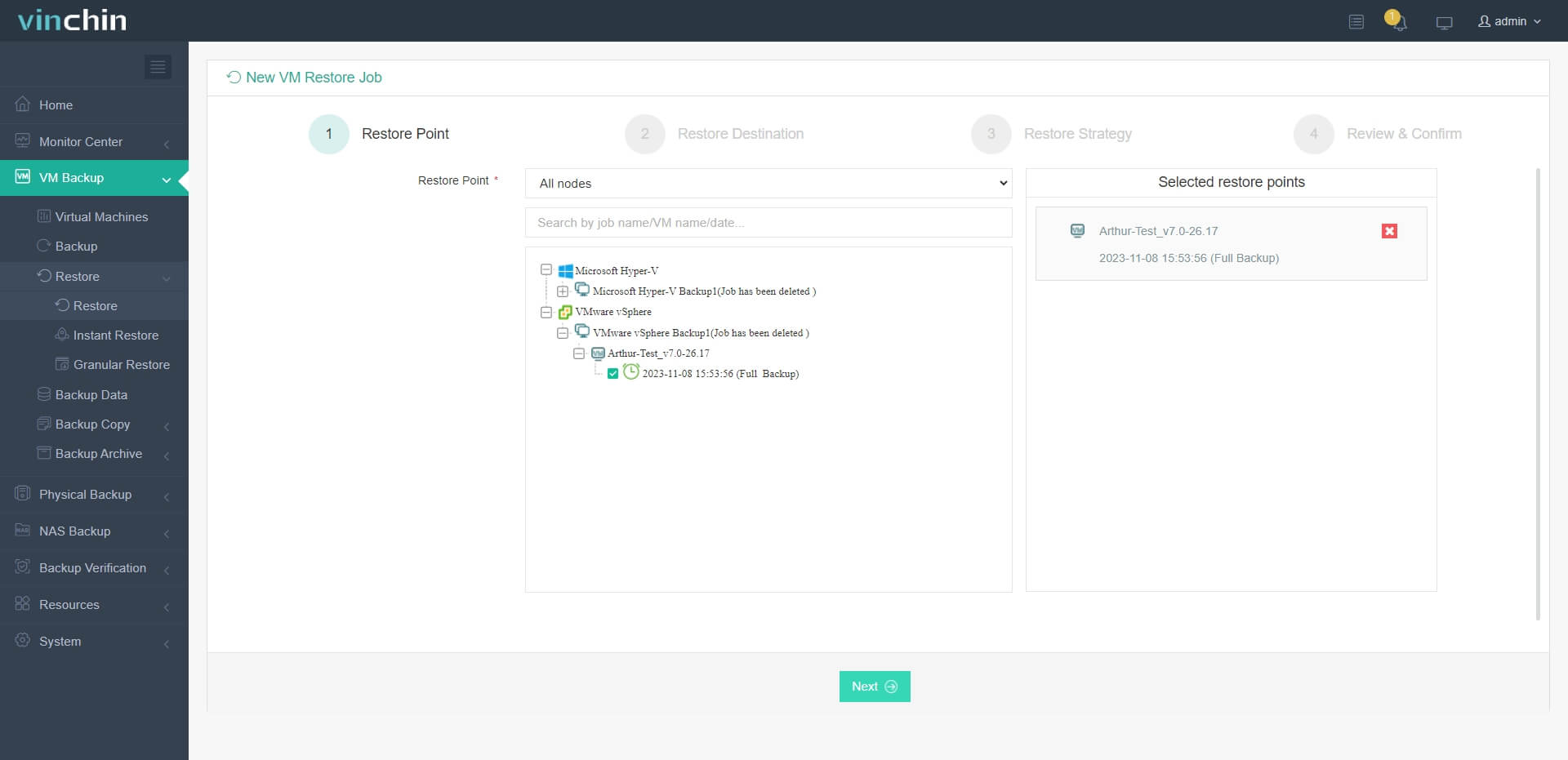
1. Select the VMware VM backup you just created as the restore point.
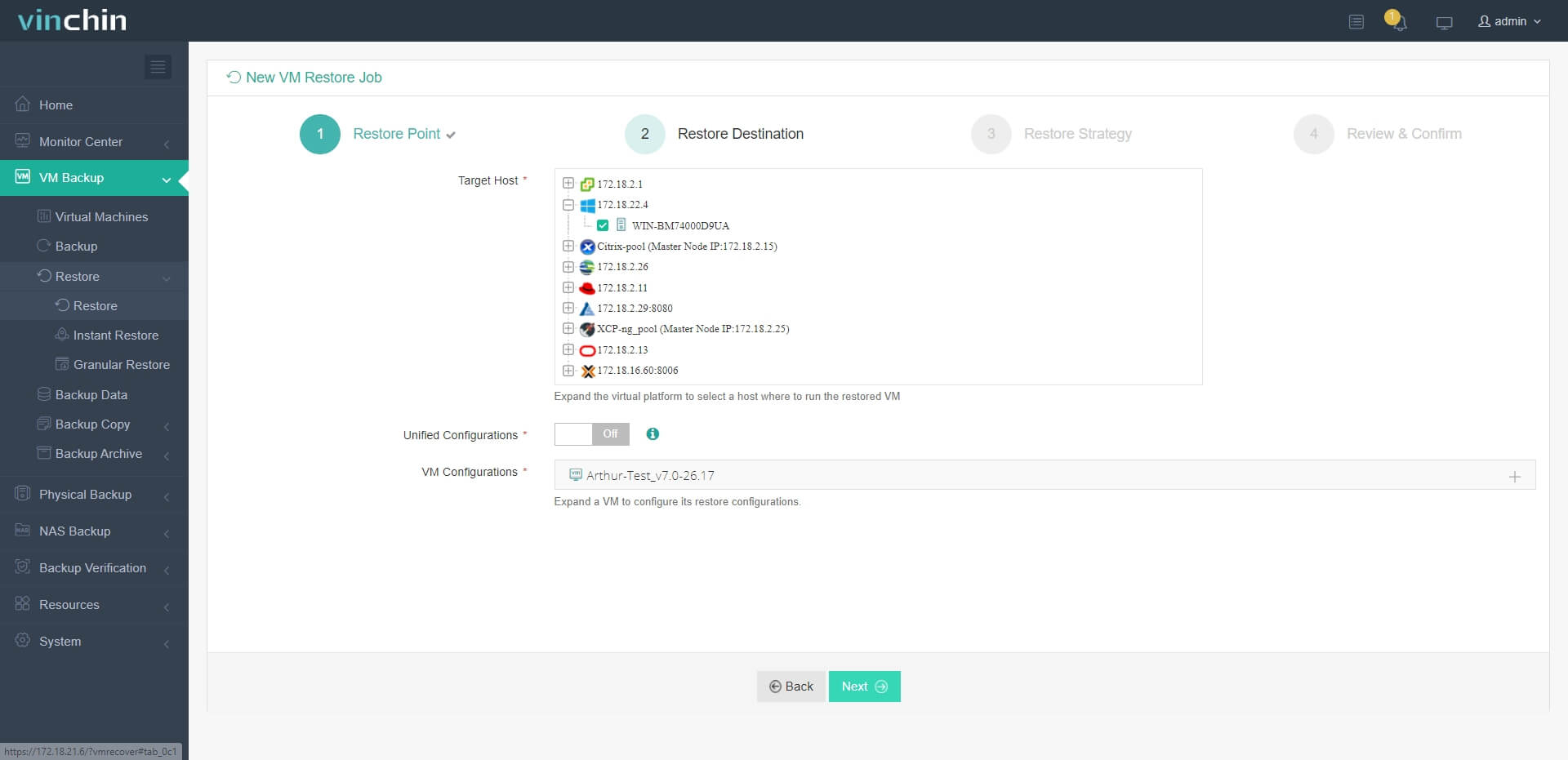
2. Select the target Hyper-V host as the restore point and accomplish other VM configurations.
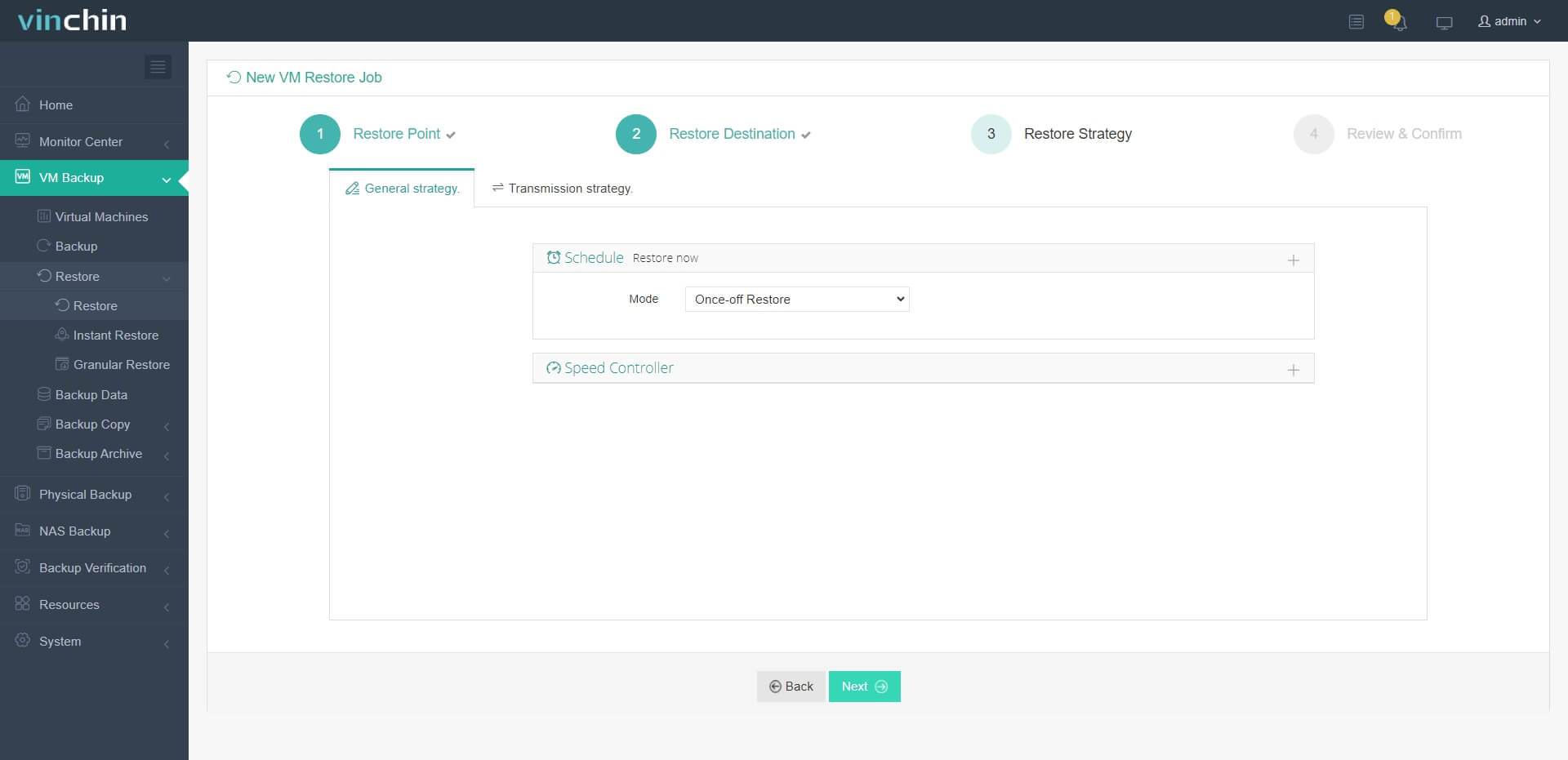
3. Customize the resrore strategies, choose either to restore it immediately or set specific time plans.
4. Just submit the job and then the VMware VM will be quickly restored on the Hyper-V host.
Thousands of businesses have chosen Vinchin Backup & Recovery, and you have the opportunity to explore its comprehensive features with a 60-day free trial! Feel free to reach out to us with your specific needs, and we will provide you with a customized solution.
VMware Converter FAQs
Q1: How does VMware Converter handle different hardware configurations between the source and destination?
A: VMware Converter includes functionality to modify the hardware abstraction layer (HAL) and install appropriate drivers to ensure that the converted virtual machine can boot up on the virtual hardware. Additionally, VMware Tools should be installed after the conversion to improve performance and compatibility.
Q2: How should I choose an alternative platform to VMware after Broadcom acquires VMware?
A: When choosing a VMware alternative, you must take some factors into consideration, such as functionality and performance, compatibilty, cost, ecosystem and integration, etc. Here is a guide that introduces several alternative virtualization platforms like Hyper-V, Proxmox, XenServer, oVirt, etc., to help make a choice according to your business environment.
Conclusion
VMware Converter is a practical and widely used tool for P2V and V2V migration, enabling organizations to transition physical and virtual workloads into VMware environments with minimal disruption.
However, for modern multi-hypervisor environments, standalone conversion tools may not be sufficient. Enterprise-grade solutions like Vinchin Backup & Recovery provide broader capabilities, including cross-platform migration, centralized management, and enhanced data protection, making them more suitable for complex IT infrastructures.