Virtual machine disk formats play a critical role in cross-platform virtualization, especially when migrating workloads between VMware and Hyper-V environments. Since these platforms use different virtual disk formats, converting VM disks is often required to ensure compatibility and successful migration.
This article explains what VMDK and VHD/VHDX are, why conversion is needed, and how to migrate virtual machines between VMware and Hyper-V environments efficiently.
What Is VMDK?
VMDK (Virtual Machine Disk) is the virtual disk format used by VMware to store all data of a virtual machine, including operating system files, applications, and configuration data. It is typically stored within a VM directory on a datastore and managed through VMware vSphere or ESXi.
What Is VHD and VHDX?
VHD (Virtual Hard Disk) and VHDX are virtual disk formats used in Microsoft Hyper-V environments.
VHD is the legacy format with limited capacity and features.
VHDX is the modern format introduced in Windows Server 2012, offering improved performance, reliability, and scalability.
Key differences:
VHD supports up to 2 TB storage
VHDX supports up to 64 TB storage and better data protection
VHDX provides improved alignment and resilience against corruption
Why Convert VMDK to VHD/VHDX?
There are several reasons IT administrators need this conversion skill. Migrating from VMware to Hyper-V is common during infrastructure upgrades or cloud moves. Sometimes you want to test software across platforms or set up disaster recovery plans using different hypervisors. Without converting from VMDK to VHD (or VHDX), Hyper-V cannot read or boot your VM disk at all.
Conversion ensures your VM runs smoothly in its new home with minimal downtime and reduced risk of data loss if done correctly.
Method 1. Convert VMDK to VHD/VHDX with Qemu-img
qemu-img is a flexible command-line tool that converts many virtual disk formats, allowing you to install it in both Windows and Linux environments, but it isn’t included natively on Windows or Linux systems. Download the latest version from the official QEMU project page if needed.
Before starting:
1. Backup your VM.
2. Make sure you have enough free space for both source and target disks.
3. Shut down your source VM gracefully and never convert while powered on. It is recommend to copy the VMDK file from the source machine.
Convert VMDK to VHD:
qemu-img convert -f vmdk -O vpc virtua_machine.vmdk virtual_machine.vhd
Convert VMDK to VHDX:
qemu-img convert -f vmdk -O vhdx virtua_machine.vmdk virtual_machine.vhdx
If you want to skip virtual disk conversion to directly move to Hyper-V, you have another solution.
Method 2. Migrate to Hyper-V with Microsoft Virtual Machine Converter
Microsoft Virtual Machine Converter (MVMC) was introduced to simplify the migration of virtual machines from VMware to Hyper-V. It allows users to convert and migrate VMs without manually extracting VMDK files or converting them into VHD/VHDX formats.
With MVMC, the migration process typically involves selecting the conversion type, specifying the source VMware environment, and choosing the target Hyper-V host. The tool handles the full VM conversion process, enabling the migrated machine to run directly on Hyper-V.
Before starting the migration, it is important to uninstall VMware Tools and any VMware-specific components from the guest operating system. Failing to do so may cause driver conflicts and prevent the VM from booting correctly in Hyper-V.
How the Migration Process Works?
The typical workflow includes:
1. Launch Microsoft Virtual Machine Converter
2. Select Virtual Machine Conversion as the migration type
3. Choose Migrate to Hyper-V as the destination
4. Provide Hyper-V host credentials (IP, username, password)
5. Select disk format (fixed or dynamically expanding VHD)
6. Connect to the VMware ESXi source environment
7. Select the virtual machine to be migrated
8. Configure VM settings and target storage location
9. Review the configuration and start the migration job
Once the process is completed, the converted virtual machine will appear in Hyper-V Manager and can be powered on directly.
Simplify VMware to Hyper-V Migration with Vinchin Backup & Recovery
Conventional VM conversion methods often introduce compatibility challenges and operational complexity during cross-platform migration. Using a purpose-built virtualization management solution can help simplify the process and improve reliability.
Vinchin Backup & Recovery is not only a backup solution but also a VM migration platform designed for virtualized environments. It supports major platforms such as VMware vSphere, Hyper-V, Proxmox, XenServer, XCP-ng, oVirt, OLVM, RHV, and OpenStack.
By integrating multiple virtualization platforms into a unified management system, it enables agentless VM migration through a centralized web console, reducing manual effort and improving migration efficiency across heterogeneous environments.
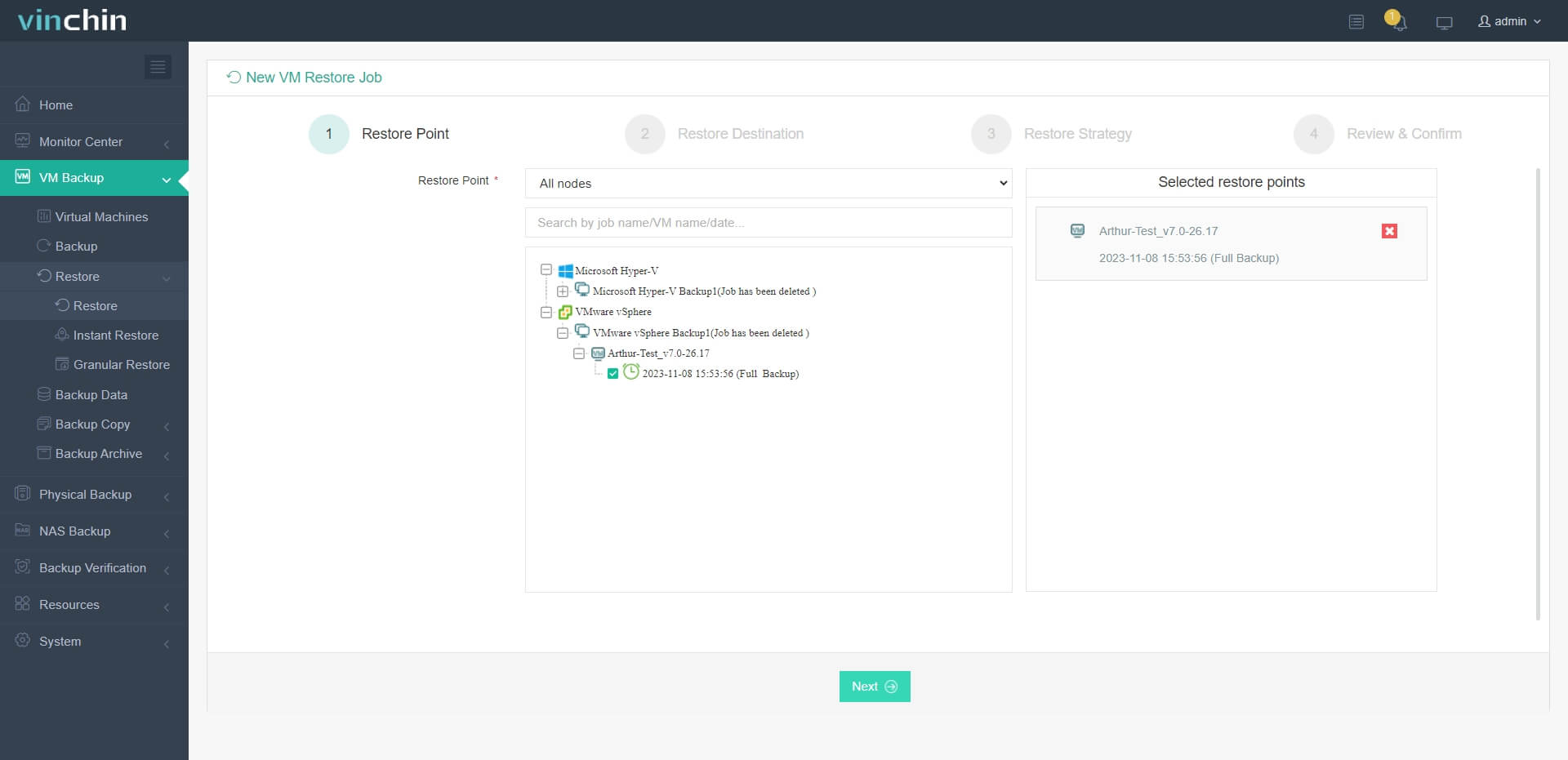
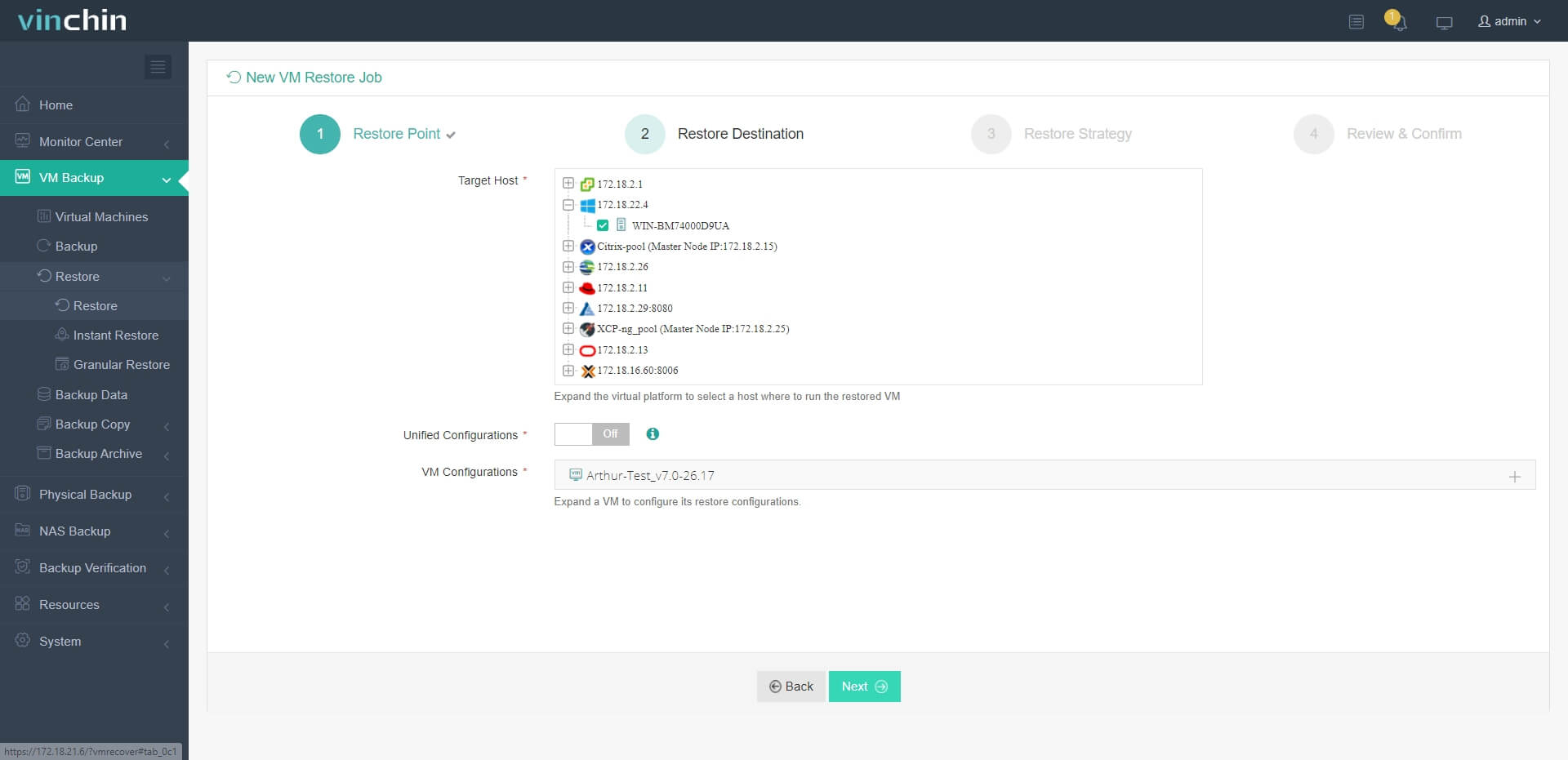
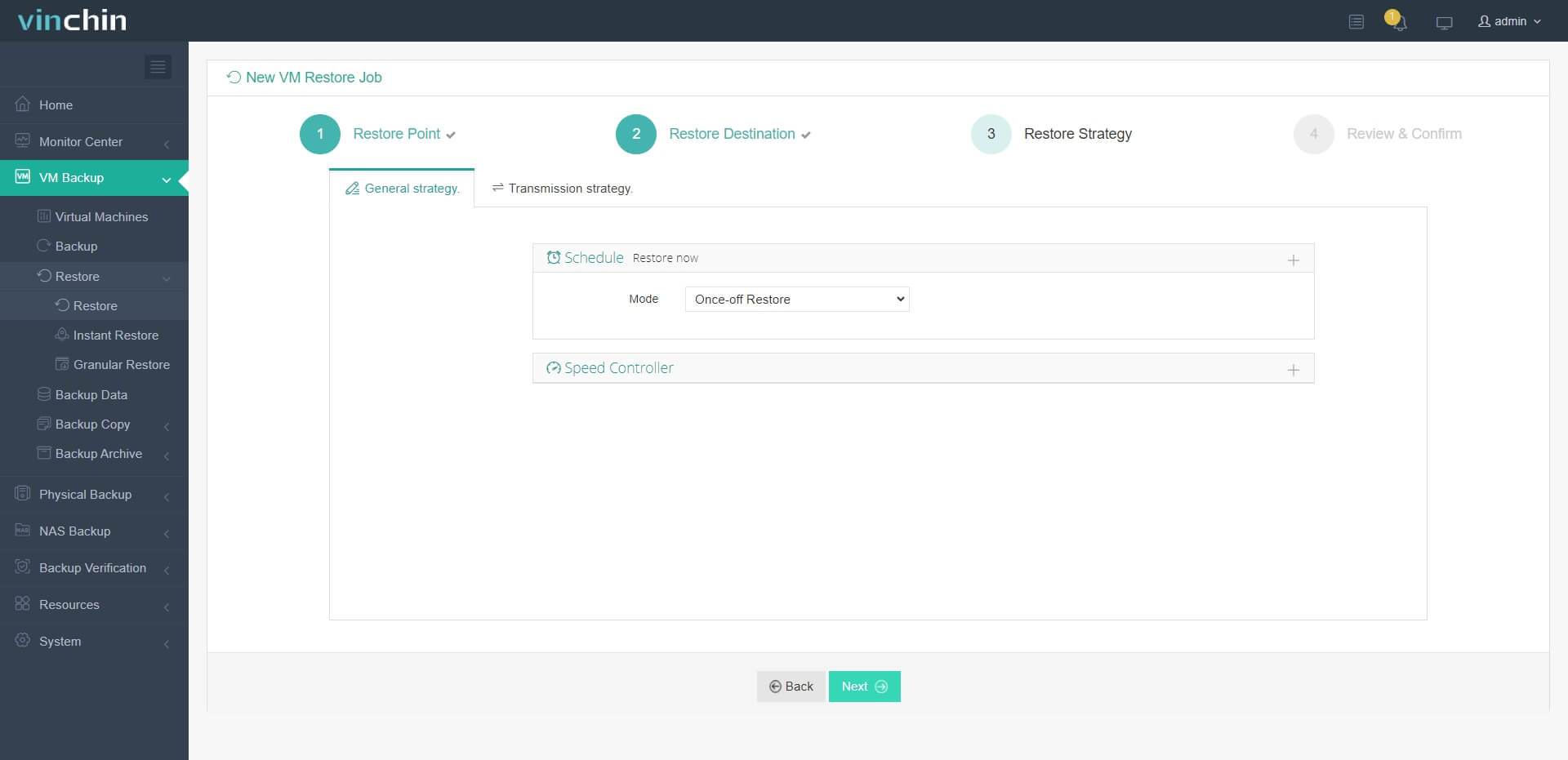
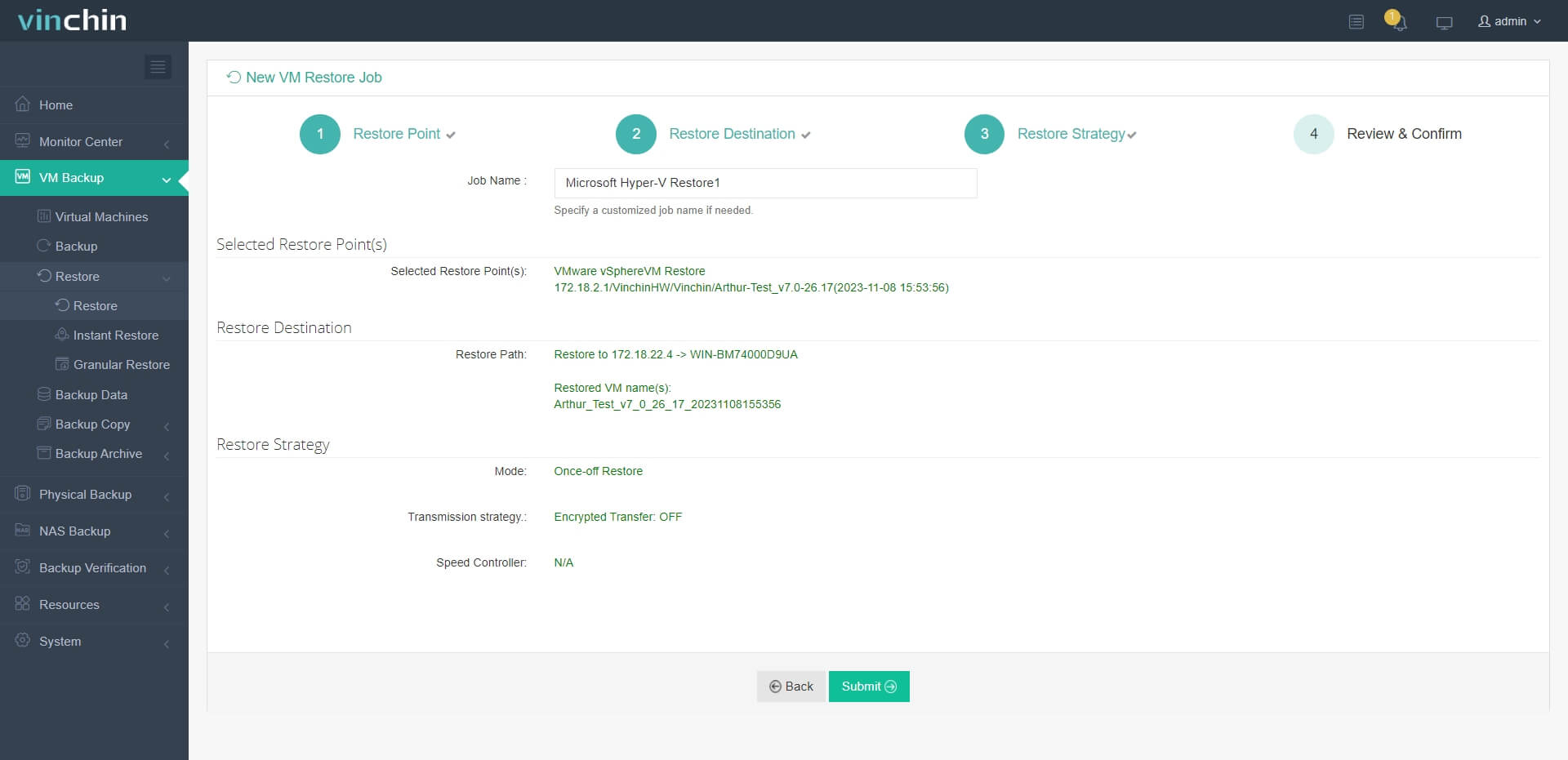
For instance, if you would like to migrate VM from VMware to Hyper-V:
1. Just select the backup of the target VMware VM
2. Select a Hyper-V host as target host
3. Simply set up restore strategies or directly skip this step
4. Just submit the job and then the VMware VM will be quickly restored on the Hyper-V host
Vinchin Backup & Recovery has been selected by thousands of companies and you can also start a 60-day full-featured free trial here. Also, contact us, leave your requirements, and then you will receive your tailored solution. We have established partnerships with reputable companies all over the world so if you would like to do a local business, you can select a local partner here.
Convert VMDK To VHD FAQs
Q1: Do I need to remove VMware drivers after migrating a VM to Hyper-V?
Yes. VMware Tools should be uninstalled before shutting down the source VM. After booting the VM in Hyper-V, install or enable Hyper-V Integration Services to ensure proper network and storage driver compatibility.
Q2: Can I convert multi-part (split) VMDK files directly?
Yes. Split VMDK files are fully supported in vSphere/ESXi environments. Most conversion tools can process them at the virtual disk level without requiring manual consolidation beforehand.
Q3: Why does my converted VM boot to a black screen in Hyper-V?
This issue is usually caused by incompatible legacy drivers from the source VMware environment. Boot the VM in Safe Mode, remove residual VMware-related drivers, and then restart the system normally.
Sum Up
There are many kinds of virtualization solutions for virtual environment deployment. VMware and Hyper-V are two of the most popular ones. When managing heterogeneous virtual environment or changing virtualization solution, IT administrators need to know the way to migrate VM between different platforms. In this post, the way to convert VMDK to VHD/VHDX for data migration is introduced. IT administrators can easily move VM by converting the virtual disk or without extracting and importing virtual disk files.
To conveniently migrate VMware to Hyper-V, IT administrators can choose Vinchin Backup & Recovery for agenltess migration. Don't miss the free trial.