

Detailed Comparison: Vinchin vs Veeam
| Evaluation Area | ![]() |

Veeam |
|---|---|---|
| Platform Coverage | Broad support across 18+ hypervisors including VMware, Proxmox, Hyper-V, Citrix, XCP-ng, OpenStack, etc. | Strong support for mainstream platforms such as VMware and Hyper-V |
| Infrastructure Strategy | Designed for heterogeneous and evolving infrastructures | Optimized for established virtualization ecosystems |
| Environment Type | Mixed and multi-hypervisor environments | Primarily homogeneous environments |
| VM Migration Support | Full V2V migration support | VMware-centric |
| VMware Alternative Support | Broad support for VMware alternatives including Proxmox, Hyper-V, XCP-ng, OLVM, RHV, OpenStack and more | Native support is primarily limited to VMware, Hyper-V, and Nutanix AHV |
| Licensing Flexibility | Perpetual + Subscription options | Subscription-based |
| Backup | ||
| Recovery | ||
| Migration | ||
| Others |
Vinchin vs Veeam: Key Factors Beyond Backup
Platform Coverage & Infrastructure Flexibility
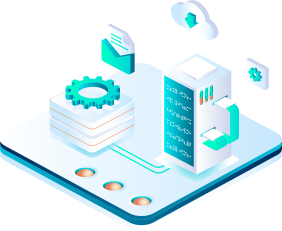
Veeam primarily focuses on mainstream platforms such as VMware and Hyper-V. Vinchin takes a broader approach, supporting 18+ virtualization platforms and combines broad platform support with integrated backup, disaster recovery, cross-platform migration, rapid recovery, and ransomware resilience, helping organizations simplify data protection across complex infrastructures.
Recovery Independence & Business Continuity
As organizations place greater emphasis on disaster resilience, recovery capabilities must remain available even when the production virtualization environment is not. While Veeam's Instant Recovery depends on an operational target hypervisor, Vinchin enables independent instant recovery in an isolated environment, helping organizations restore critical services during infrastructure-wide failures.
Backup Security & Ransomware Resilience
As ransomware threats continue to evolve, organizations need backup protection that is secure by default rather than dependent on complex infrastructure configurations. While Veeam's immutable backup capabilities typically require additional hardened repository configuration, Vinchin delivers built-in immutable backup protection with integrated security mechanisms, helping protect backup data from unauthorized modification and deletion while reducing deployment and operational complexity.
Licensing Flexibility & Long-Term ROI
Veeam primarily follows a subscription-oriented licensing model. Vinchin offers both perpetual and subscription licensing options, giving organizations greater flexibility to align procurement decisions with budgeting preferences and infrastructure planning cycles. In addition, Vinchin's broad platform support and integrated migration capabilities can help reduce future costs associated with infrastructure transitions, platform expansion, or backup platform replacement.
Which Solution Is Right for You?
| If You Need | Recommended Solution |
|---|---|
| Multi-Hypervisor Infrastructure | ![]() |
| Cross-Platform VM Migration | ![]() |
| Long-Term Licensing Flexibility | ![]() |
| Stable VMware-Centric Environment | Veeam |
| Simplified Deployment | ![]() |
| Ecosystem Familiarity | Veeam |
| Evolving Infrastructure Strategy | ![]() |
Why Some Organizations Choose Vinchin Over Veeam
Frequently Asked Questions
Q1: How do Vinchin and Veeam differ in their approach to virtualization platform support?
A: While both solutions support major virtualization platforms, their strategic focus differs. Veeam has historically been closely associated with VMware and other mainstream platforms, while Vinchin has invested heavily in supporting a broader range of virtualization ecosystems, including many platforms organizations adopt as part of infrastructure diversification initiatives.
Q2: How should organizations evaluate Vinchin and Veeam if future infrastructure plans are uncertain?
A: When long-term infrastructure direction is still evolving, organizations often prioritize solutions that can support multiple virtualization strategies and adapt to changing operational requirements. Evaluating future flexibility alongside current technical requirements can help reduce the need for future platform changes.
Q3: Which organizations benefit most from choosing Vinchin over Veeam?
A: Organizations seeking broader virtualization coverage, simplified management across heterogeneous environments, flexible licensing options, or integrated backup and migration capabilities often evaluate Vinchin as an alternative to traditional backup platforms.
Q4: How long does a typical migration from Veeam take?
A: Migration timelines vary depending on the size of the environment, the number of workloads, and existing backup requirements. Most organizations can deploy Vinchin and start protecting critical workloads within a short implementation period, while completing the transition according to their operational schedule.